Researchers Are Skeptical. Participants Love It. The Truth About Talking to an AI Moderator
Across 50 working professionals, the overwhelming majority rated their AI-moderated interview experience a 9 or 10 out of 10, and said they'd do it again, proof that AI moderation delivers the depth of a real conversation with a comfort level that consistently surprises researchers and participants alike.

What Participants Really Think About Talking to AI
The question comes up in almost every conversation before a team runs their first AI moderated study:
"How will participants feel about the experience?”
“Will they feel comfortable to open up? Will they trust it?"
It's a fair worry. Researchers spend years learning to create psychological safety in interviews: reading the room, adjusting tone mid-conversation, making people feel comfortable enough to say something real and go deep. The craft of moderation is deeply human.
However, this worry is making an assumption.
An assumption that participants set the same rules and and expectations for an AI moderator as they set for a human moderator.
It turns out, what participants expect from their experience with an AI moderator is different from what is expected from a human moderator. Those expectations make participants not just feel comfortable but enjoy their experience, at times, opening up more than they would with a human moderator.
What the data shows
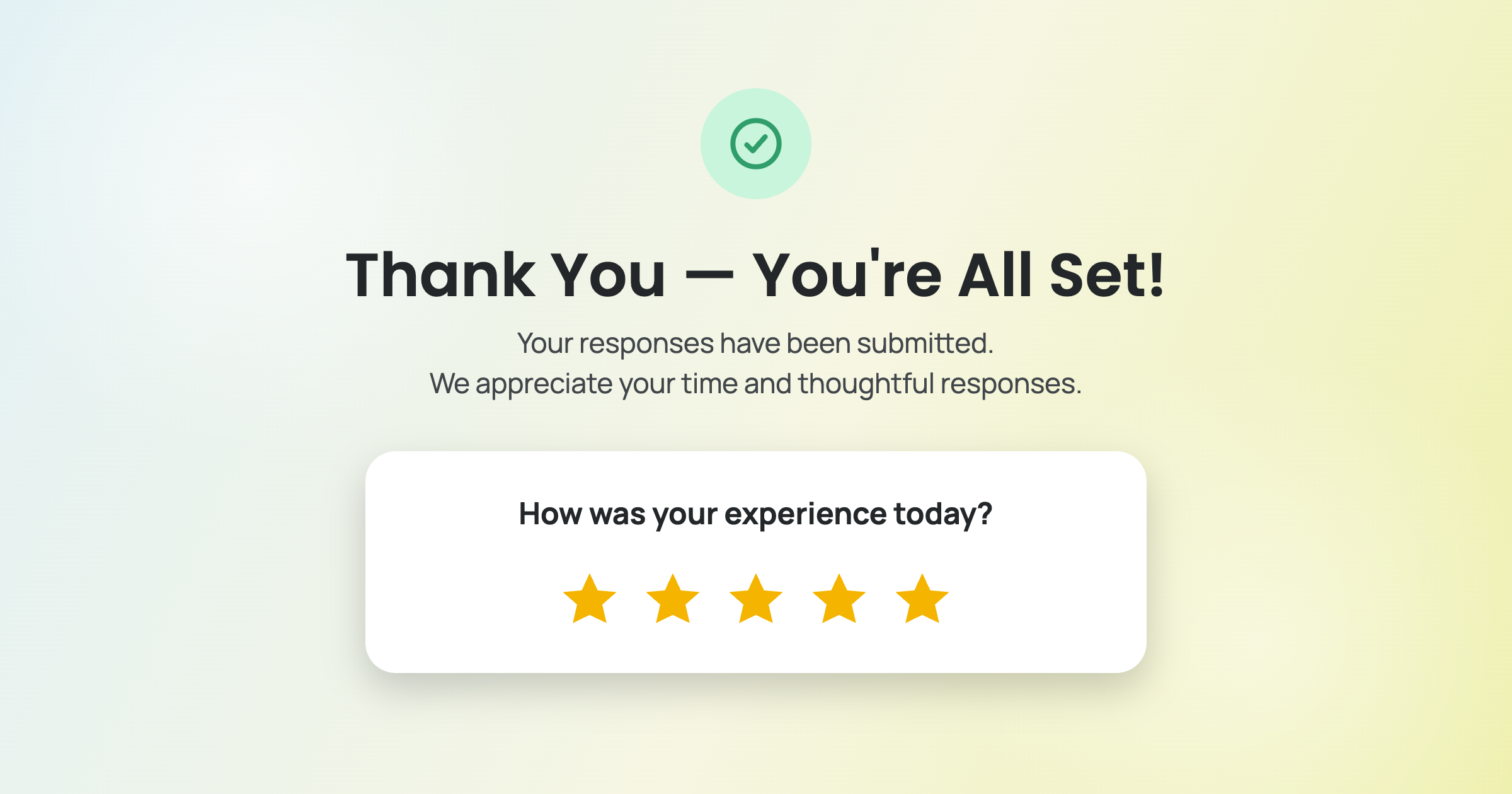
Across a recent Strella study1 with 50 working professionals, the overwhelming majority rated their willingness to do another AI-moderated interview at 5 out of 5, and their NPS at 9 or 10 out of 10. Every single participant had something meaningful to say about the experience.
Here's what some of them said:
"Sometimes it's easier than actually having a moderator, just because I sometimes get a little nervous with a moderator. This is very easy for me and I love it."
— Tracy B, 62, HR Generalist
"I was under the assumption that the AI moderator would sound more robotic. But it didn't — and the more we got into it, the more it adjusted. The interview was more of a conversation."
— Steven C, 42, IT Security Professional
"With AI there's no judgment and there's just recognition. With a human, you kind of get into that — oh, are they going to judge me for the answer that I give? I love human interaction, but for this type of interview, I would rather talk to an AI moderator."
— Pebbles M, 47, Physician Practice Manager
The patterns are consistent: participants describe feeling comfortable, not awkward. They say the interview moved at a natural pace. Many note they were able to be more honest than they might have been otherwise. Hear it directly from the participants themselves in a highlight reel made with the Strella analysis tool.
Why this happens
Think of research methods as a spectrum. At one end, surveys are low-barrier, easy to complete, but limited in depth. Participants answer the questions as written, with no ability to follow a thread or surface something unexpected. At the other end, human-moderated interviews offer the richest depth available: a skilled moderator can pursue unexpected threads, adapt in real time, and create genuine rapport with participants.
AI-moderated interviews sit between those two but much closer to the human-moderated end than most researchers and participants expect. The AI follows the conversation where it naturally leads, probes for depth, and adapts based on what the participant says. What participants get is a real conversation, not a form.
What they also get and what shows up consistently in the data is a specific kind of ease that comes from the format being conversational without the social weight of a live human interaction. It's not that human moderation creates a bad experience. A great moderator creates some of the richest research conversations that exist. But any live human-to-human interaction carries natural social dynamics: participants want to be clear and helpful, they're in a real conversation with a real person, and they naturally calibrate to that context. That's just being human.
With AI moderation, those dynamics shift. The conversation still goes deep; it follows threads, asks follow-ups, and doesn't let a surface answer stand if more is there. But participants often describe a different quality of ease: they're not calibrating to someone else's reactions, and the low-level social awareness that comes with any live conversation is largely absent.
The result is research depth that surveys and unmoderated studies can't match, with a comfort level that often surprises participants who expected something more clinical or impersonal.
The researcher anxiety is actually correct
The researchers who worry most about participant experience are, almost universally, the ones who care most about research quality. That concern is the right instinct. It just tends to get applied through a human-to-human lens.
The underlying question is really: will the participant feel comfortable enough to share something true? On that measure, the data consistently says yes.
What doesn't translate directly is the assumption that the conditions required for comfort with a human moderator are the same conditions required for comfort with AI. They're not. The rapport that makes a human interview feel safe, the warmth, the attentiveness, the reciprocal social energy, isn't what makes an AI interview feel safe. What makes the AI interview feel safe is closer to the experience of writing in a journal: no audience, no judgment, no performance.
One participant who had thought carefully about the difference put it precisely:
"I don't think I would have said things about how I feel the industry is going — assuming the human interviewer is a UX designer or researcher, I would have avoided any information about that, so as not to offend them. Even though technically anything a participant says in a study should not be a concern — but it's human nature. That is something I just automatically would censor for the human interviewer."
— Sara T, 33, UX Engineer
And on the pre-interview anxiety specifically:
"I would say it's actually less anxiety-driven to have an AI moderator as opposed to a human that's sitting there waiting for an answer. There's almost more pressure when it's a person. Even just signing up and logging in — I didn't think twice about it. But a human interviewer, I might be logging into a Zoom link early and just waiting for them, building anxiety that way."
— Bryant K, 36, Business Operations Manager
Researchers who run both formats often report something unexpected: participants in AI-moderated sessions go further on sensitive topics. Not because the AI is better at building trust, but because it removes the social calculation that causes people to self-censor.
What this means for your research
If participant experience has been the reason your team has been hesitant about AI moderation, it's worth revisiting the assumption underneath it, that AI moderators should act just like a human moderator. Participants are not merely tolerating AI-moderated interviews. In rating after rating, they're describing an experience that feels comfortable, respectful, and sometimes, easier to be honest in.
AI moderation gives the opportunity to vastly increase the depth of the unmoderated interview or survey while maintaining the scale, allowing researches to do more, quality research than ever before.
1The study referenced was run in June 2026 by the Strella team, titled "Professional Career Path & 5-Year Industry Change Interviews" all 50 participants work in corporate roles in the US for over 5 years