Verbatim, Issue 03: Strella Summer of Wellness
Hatch's rapid research for product innovation, Priya's take on research for wellness brands, new ways to do research in Strella, and what we're reading.

This summer, almost without planning it, at Strella we ended up thinking a lot about health and wellness. Maybe it was our summer vacations in the sun but I’d like to think it came out of our own work: the case studies we were writing and the customers we were spending time with, from sleep tech to supplements to fitness studios. They're all asking people to trust them with something personal: how they eat, how they move, how they sleep.
So let's start our August (yes, we also can't believe it's already the last day of August!) newsletter there.
In Hatch's words: Rapid Research for Innovation
One of my favorite conversations this month was one Maya, one of our customer operations associates at Strella, had with Amanda Amyx, who runs design and research at Hatch. You may also recognize Amanda as a guest on our How to AI UXR podcast with the ResearchOps Review.
Amanda's team was building the Hatch Sleep Clock, Hatch's first bedside sleep tracker, and she put into words a common insight I hear: the question that never gets answered isn't the big one. It's the small one.

Almost every week, a new question or doubt would come up. What does "quality sleep" actually mean to this person? What does bedtime look like for them? None of these questions historically had been big enough on their own to justify a whole study, so they'd pile up. By the time a study was run, the decision it was meant to inform had already been made.
So Amanda's team used Strella to stop waiting. They ran 11 studies, around 221 interviews, in about ten weeks, sometimes several in a single week. Small question, fast answer, decision still on the table.
Check out the full case study to hear how our rapid qualitative research influenced the launch of the Hatch Sleep Clock.
Priya’s take: Customer research for wellness brands
Hatch isn't the only wellness brand on my mind this month. Priya wrote a piece on why wellness and health brands live or die by how close they stay to their customers.
Her argument: wellness brands ask for an unusual amount of trust. You're asking someone to trust you with what they eat, how they move, how they sleep, how they look, or how they feel. And that trust doesn't get settled at purchase, it gets tested at the concept, at the claim on the package, at the prototype, at the checkout, and in the second month of a membership. Most brands stay close for the first of those moments and guess at the rest.
Read Priya's full piece here and let us know what you think!
What we're reading: defining AI in research
As the world of AI in research continues to evolve, I always try to take in outside resources to grow my expertise. Here are a few articles that I found valuable this past month:
The Innovation Problems AI Can't Solve, Harvard Business Review. I really enjoyed this take on where AI genuinely speeds research up and where it quietly leads teams astray. As we are all navigating integrating AI into the research practice, we need to be aware of how it is impacting our end result, both positively and negatively. I found it to be a good reminder of why at Strella we lean on real people at scale, through AI moderation, rather than synthetic stand-ins. And it's exactly how Hatch approached the innovation work up top: moving fast with AI while keeping real customers in the loop. Read more here.
A plain-English glossary of AI terms. As the non-technical person in the room, I often find myself looking up new terms every week. I will be keeping this article from NNG group so I don’t have to ask what a "prompt injection" is again. Check out the full article here.
In case you missed it: product updates
You can always check the changelog for updates, but in case you missed it, here's what shipped recently:
- Strella is now an official connector in Claude and ChatGPT. Find us in the plugin and connector stores, connect your LLM of choice, and pull research right into your workflow.
- Auto-coded open-ended responses. Open-ends are sorted into clear categories automatically, so you can run quantitative analysis on qualitative answers, and edit or refresh the coding whenever you like.
- A new per-link recruitment model. Recruit through share links, each one recruiting against its own limit.
And some new ways to run and analyze studies:
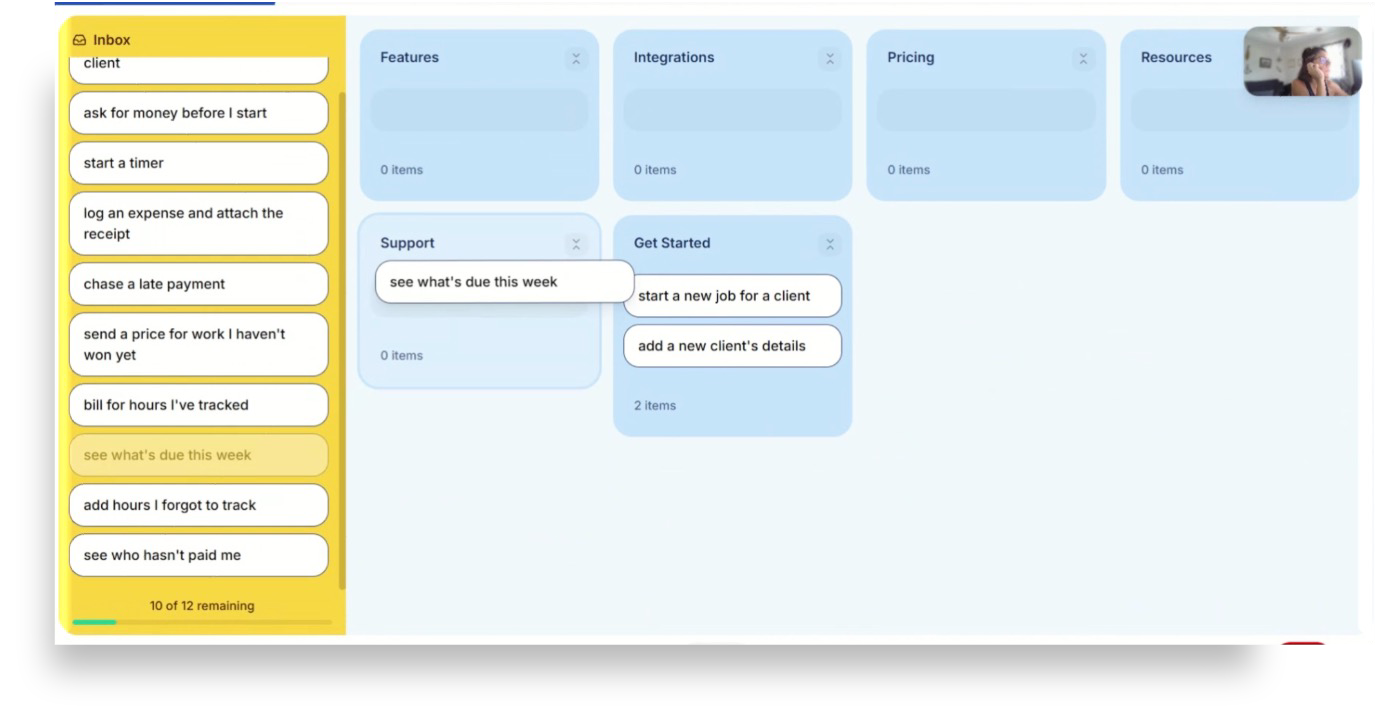
- Card sorting: see how participants naturally group your content, with live AI probing and a dedicated analysis view for navigation and information architecture.
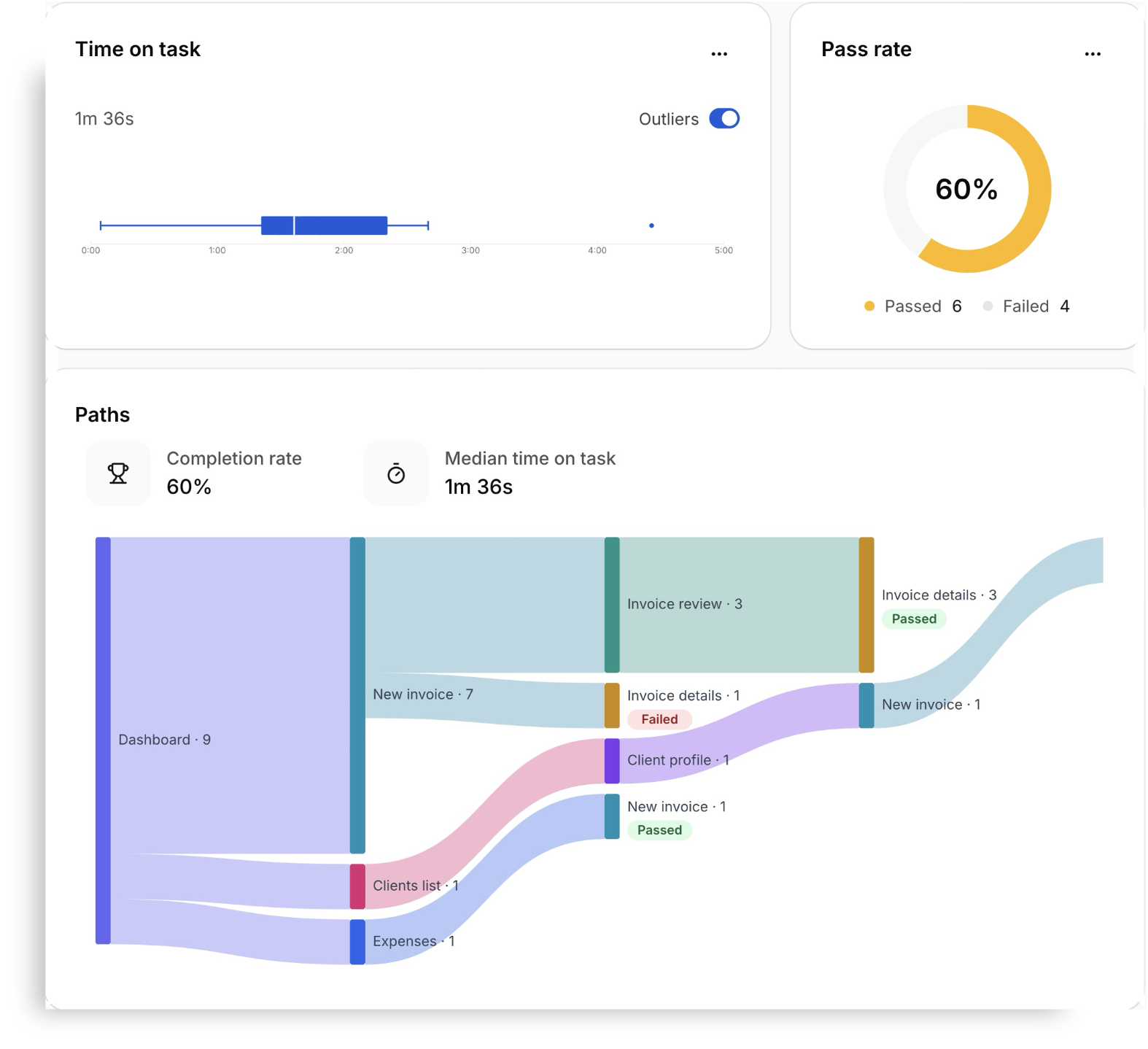
- Navigation path mapping: understand how participants move through a task, with a visual chart that groups people by the path they took.
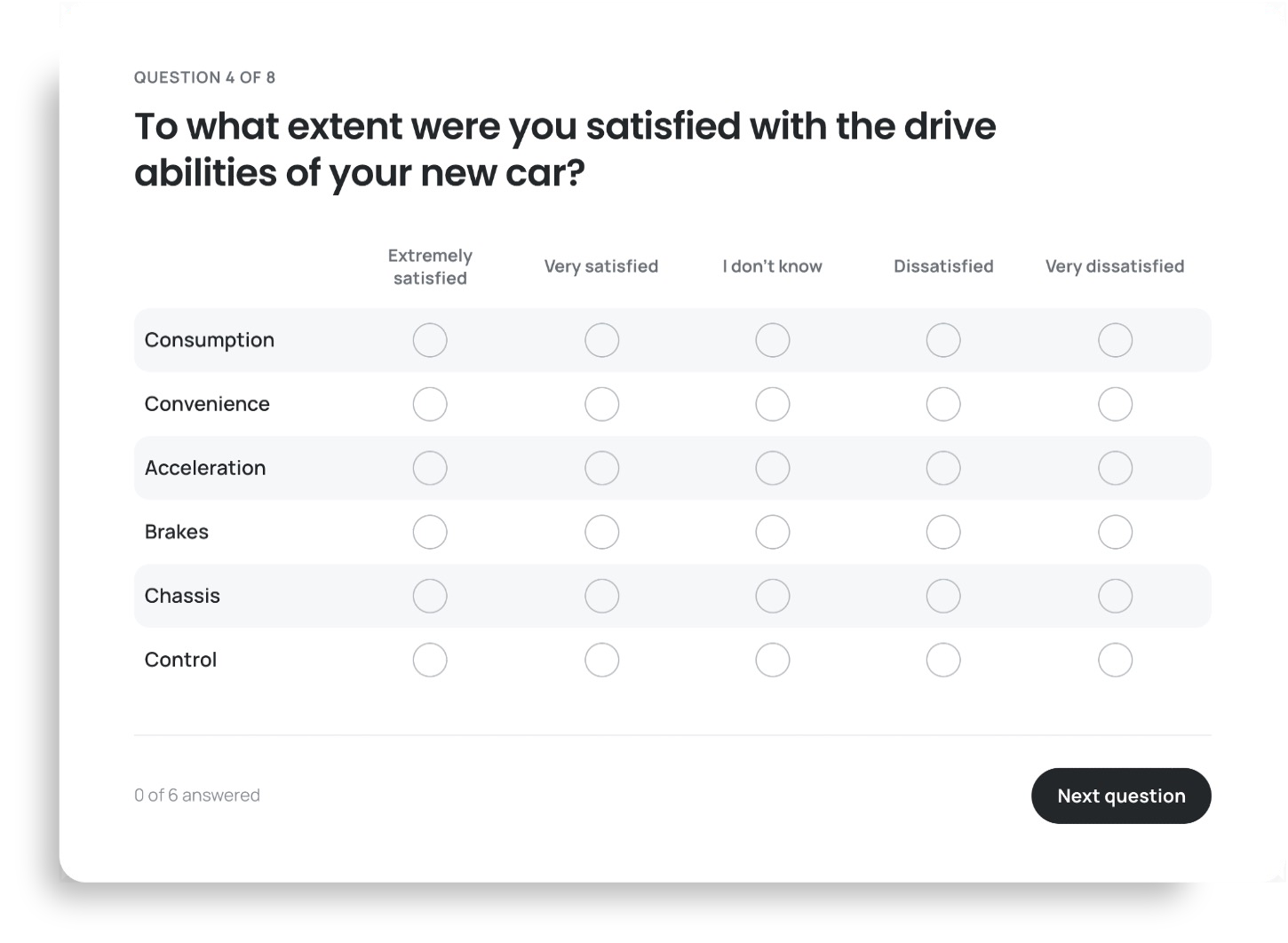
- Matrix questions (beta): build matrix-style questions with AI probing, analyzed right in Strella.
On the way: human-moderated interviews inside the platform, text-only surveys, tree, preference and first-click testing, and increased emotional intelligence.
In the Wild: Quirk's NY and CRC Chicago
At Quirk's New York, our booth doubled as a flower shop! Researchers took a quick AI-moderated interview and left with a personalized "what kind of bloom are you" result, plus an actual bouquet. Our favorite part was spotting Strella bouquets on the subway in Brooklyn after the conference!

Next up, we'll be at the Corporate Researchers Conference in Chicago, September 15 to 17. If you'll be there, say hi to Arman and Genevieve!
If you got all the way here, thanks for sticking around. More next month.
Talk soon,
Melissa