Strella Everywhere You Work: Introducing Our AI Connector
Research isn't a separate step anymore. It lives in Claude, ChatGPT, Figma Make, Cursor, and more.

Key Takeaways:
- What it is: Strella's AI Connector uses MCP (Model Context Protocol) to bring your research insights into AI tools
- Supported AI tools: Claude, ChatGPT, Microsoft Copilot Studio, Cursor, Figma Make, Notion, and more
- Primary use cases: Study creation, query past research, report generation and analysis all in natural language without leaving your workflow
- Who it's for: Research teams, PMs, designers, strategists, and anyone who works with customer insights
- Availability: Open to current Strella customers
You've done the work. You ran the interviews, coded the transcripts, built the themes. The research is solid. But three weeks later, a colleague asks a question you already answered and the insight is buried in a report, a slide deck, or a platform they don't have open.
This isn't a quality problem. It's a distribution problem. Research gets done well, but it doesn't travel well. The findings live in one place and the work happens everywhere else: with AI assistants, in Google and Notion docs, in Slack conversations.
That gap is what we set out to close.
What is an MCP connector? An MCP (Model Context Protocol) connector is an integration layer that lets AI assistants like Claude and ChatGPT securely access external data sources, in this case your Strella research repository. Strella's AI Connector uses this protocol to make your customer research available wherever you work.
How Strella's AI Connector Works
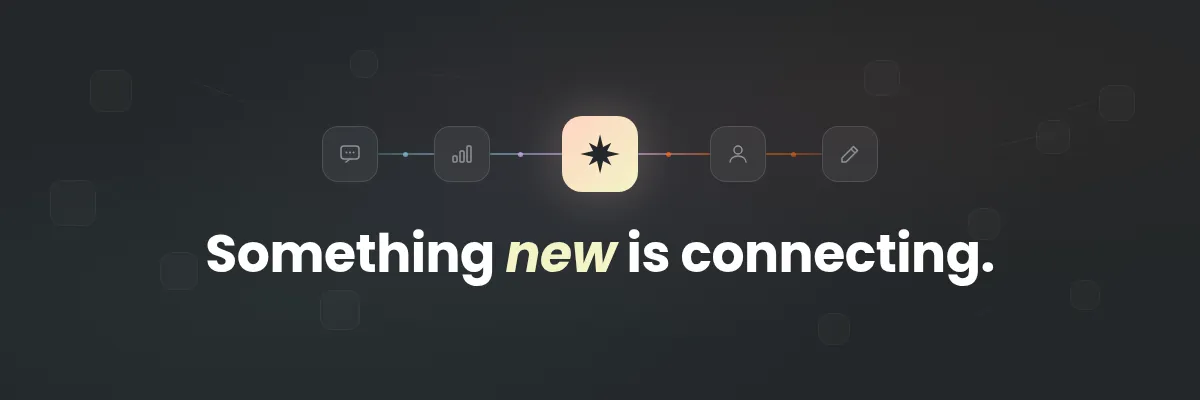
Strella now connects directly to the AI tools you already use, AI assistants, design tools, code editors, and productivity apps. Connect once, and your Strella research is accessible anywhere that supports a custom MCP server.
No new platform to learn. No exporting and reformatting. Your research just shows up where you need it. Here's what that looks like in practice:
Product designer prototyping in Claude Code
You're rebuilding a checkout flow. Before writing a single line, you ask: "What did participants say about drop-off in the current checkout flow?" Claude Code reads directly from your Strella study and incorporates that feedback into the component it generates. When the next round of testing comes back, you run the same query. The prototype updates based on what participants actually said, not what you half-remembered from the readout three weeks ago.
UX researcher working end-to-end in Notion
You're planning a new study. Before writing a single interview question, you ask Notion's AI agent: "What have we already learned about onboarding friction across our last four studies?" It pulls the relevant themes from Strella, surfaces the gaps, and helps you write a more targeted discussion guide. When the study is done, you ask the agent to summarize the findings and write them back into the Notion brief, closing the loop without switching platforms.
GTM team building a business review in Claude
Your quarterly review is tomorrow. You open Claude and ask: "Summarize what our current customers have said about onboarding, pricing, and support across all active Strella studies." Claude synthesizes themes from real customer interviews and drafts a presentation with supporting quotes and patterns. The deck lands in front of leadership grounded in actual customer language, along with highlight reels.
Consumer insights analyst in ChatGPT
You're writing a white paper on category trends. A stakeholder asks about brand trust data from the Q4 taste tests. You ask ChatGPT, which queries your Strella study and returns a synthesis with timestamped participant quotes. You didn't have to dig through a 60-page report or wait for a research readout.
PM writing a feature spec in Cursor
You're building a spec and need to justify a design decision. You ask: "What did users say about the notification experience in the mobile app study?" Cursor returns real quotes from the Strella transcript, which you drop directly into the spec. The decision is backed by actual user evidence, not secondhand memory.
Brand strategist designing in Figma Make
You're concepting a campaign. Before generating visual directions, you ask: "What words and phrases did participants use to describe the brand in the most recent perception study?" Figma Make pulls the exact language from Strella and you design toward vocabulary that came from real people.
Developer building a research-informed product in Bolt.new or Lovable
You're building an MVP. You run a quick Strella concept test with five participants. When results are in, you ask Bolt.new: "Based on participant feedback from my Strella study, simplify the onboarding screen and update the navigation." The app reads the research and rewrites the relevant components. You ship informed by users, not assumptions.
Enterprise team building a research agent in Microsoft Copilot Studio
Your organization has hundreds of studies across dozens of teams. You build a custom Copilot Studio agent that lets any stakeholder ask questions about the company's research library in plain language. Strella is the data layer. Copilot Studio is the interface. Research becomes infrastructure.
Work in the tools you already use
Strella's connector works wherever MCP is supported:
- AI Assistants: Claude (claude.ai), ChatGPT, Microsoft Copilot Studio
- Design & Prototyping: Figma Make, Lovable, Bolt.new, v0
- Dev Tools: Cursor, Windsurf, VS Code + GitHub Copilot, Claude Code, Replit
- Productivity & Knowledge: Notion Custom Agents
And anywhere else that supports custom MCP servers.
Why a connector, not another feature
Strella built a connector instead of more internal features because research insights need to be accessible where teams already work, inside the AI assistants and tools they use every day.
We had a choice. We could have built more analysis tools inside Strella. We discussed developing a more powerful analysis view, a fancier report builder. Instead, we asked: where does research need to show up?
The answer was Strella needs to be everywhere you already work. In your AI assistant while you're preparing a deliverable. In the tool where you're building a presentation. In the moment a stakeholder asks a question you know the research already answered.
Research has the most impact when it's present at the point of need. So we built a bridge that carries your work into those moments and chose openness over lock-in because that's what actually serves the people doing research.
Benefits of Strella's AI Connector
- Access research insights without switching tools. Query your Strella studies directly from Claude, ChatGPT, Cursor, and other MCP-supported platforms.
- Query past studies using natural language. Ask questions in plain English and get relevant findings, quotes, and themes.
- Ground AI outputs in real customer data. Every response is backed by actual research from your repository, not generic AI knowledge.
- Extend the shelf life of your research. Studies remain queryable and quotable long after the initial deliverable.
- Reduce repetitive requests. Stakeholders can self-serve insights without waiting for research team availability.
What This Means for Your Research
Your studies benefit from the knowledge that your AI tools already have and your research keeps working after the initial deliverable and into the next study. The internal knowledge about your customers that lives in Notion is now an input to your study guide. Meanwhile, the findings from a study you ran three months ago are still accessible (still queryable, still quotable) the next time someone has a relevant question. Research stops being a moment and starts being a resource.
For research and insights teams, the work you've invested in has a longer shelf life. You're not fielding one-off requests to dig up old findings, because the data is already accessible through the tools your organization is using. You stay in control of what's collected and how it's structured. The connector just makes sure more people actually engage with it.
For anyone who works with research, whether you're a PM, strategist, brand lead, or designer, you can now reference real customer conversations while you're doing the work. The insights you're pulling from aren't raw data. They come from studies that were carefully designed to surface exactly these kinds of patterns.
How to Connect
Strella is listed in the tools you already use, so there's nothing to paste and nothing to configure.
In Claude, you'll find Strella directly as a featured connector.
In ChatGPT, Strella is available as a plugin.
For all other AI tools, specific connection instructions are available in the Strella product guides.
Frequently Asked Questions
What is Strella's AI Connector? Strella's AI Connector is an MCP-based integration that lets AI assistants and other tools securely access your Strella research repository, so you can query past studies in natural language.
Which AI tools does Strella integrate with? Strella integrates with Claude, ChatGPT, Microsoft Copilot Studio, Cursor, Figma Make, Notion, and any other platform that supports custom MCP servers.
How do I set up the Strella MCP connector? In Claude, you'll find Strella directly as a featured connector. In ChatGPT, Strella is available as a plugin. For all other AI tools, specific connection instructions are available in the Strella product guides.
Who can use the Strella AI Connector? The connector is open to current Strella customers. If you're not yet using Strella, book a demo.
What can I do with Strella's AI Connector? You can query past research findings, pull participant quotes, synthesize themes across studies, and ground AI-generated content in real customer data, all without leaving your workflow.
Try it
The connector is open to our current customers today. If you're not yet using Strella, sign up for a demo and see what it looks like when your AI tools are grounded in real customer research.