How Prose Tested a New Brand and Creative Direction with Strella
Prose needed to know whether a new skincare campaign would land with loyal customers and people new to the brand. See how the team used AI-moderated interviews on Strella to test the manifesto, mood board, and headlines, find the winning message, and turn the findings into a brief for the final copy.

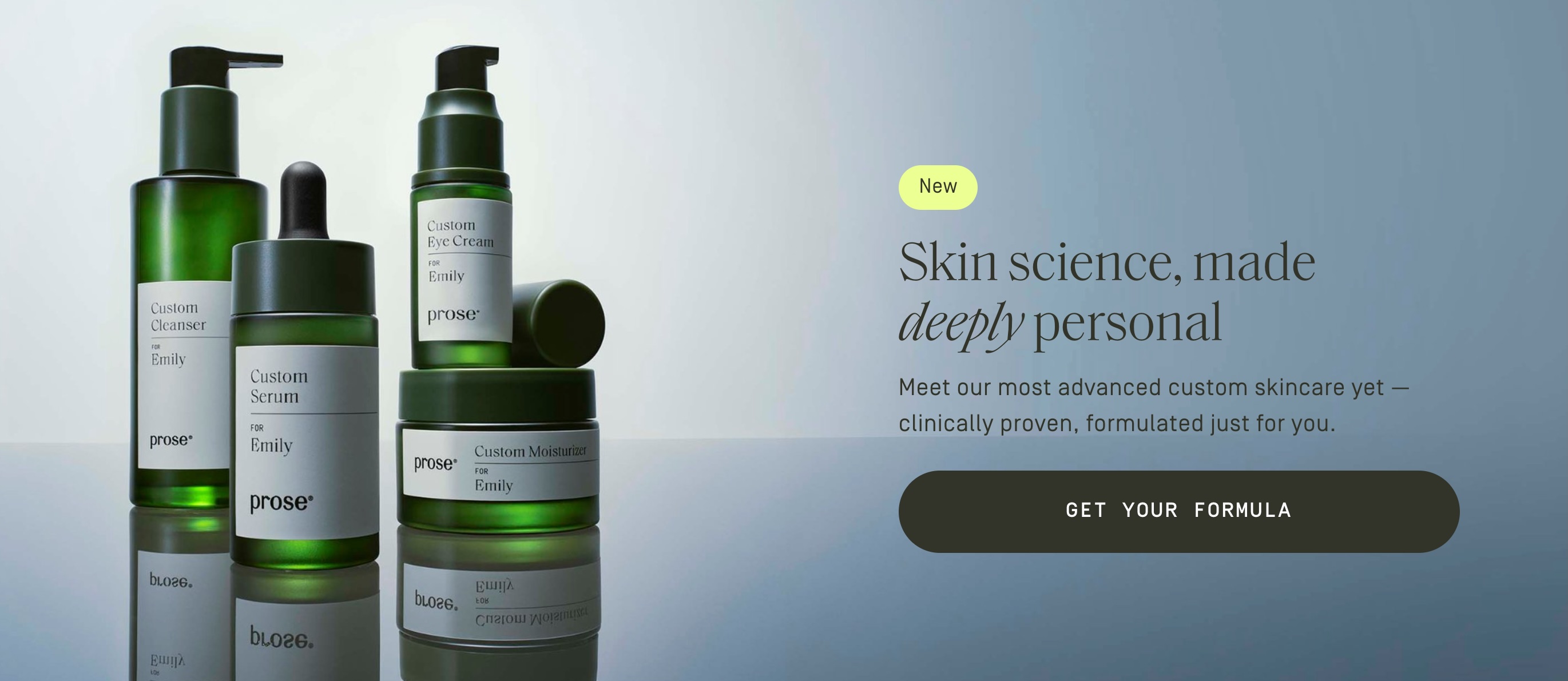
In 8 days, Prose's brand and insights team interviewed 42 customers and non-customers on Strella to test the manifesto, mood board, and headlines for a new skincare campaign. The insights kept pace with the campaign that was already in motion, showing which message won, why it won, and what it would take for both those familiar and unfamiliar to the Prose brand to believe it.
The Challenge: Deep Answers at the Speed of a Moving Campaign
Prose, the personalized haircare and skincare brand, had a new skincare campaign that marked a significant shift for the brand. The team wanted consumer validation before fully committing to the new direction.
In the past, Prose had relied on quantitative surveys or traditional moderated studies. A survey could show which headline scored highest, but not why, or which words built trust and which raised doubts. Traditional moderated interviews could get that depth, but not at the pace the team needed answers.
The campaign also had to speak to two different audiences. People meeting Prose for the first time and existing customers who already had their own sense of the brand.
The Approach: Putting the Whole Brand Platform in Front of Real People
Prose used Strella to interview people new to the brand and existing Prose customers. Both groups were recruited through Strella's integrated panel. In each interview, participants reacted to three pieces of stimuli:
- The manifesto. Participants shared their spontaneous reactions: what drew them in, what confused them, which lines they believed, and how it made them feel.
- The mood board. Participants described the look, the feel, and what kind of brand this reminded them of.
- Three headlines. Each headline explored a different take on Prose's “science meets custom care” promise. For each one, participants described what they expected from the brand and whether they believed it. They then ranked the headlines by how much they made them want to learn more.
The team set quotas to make sure they heard from every relevant persona. This gave them two ways to understand how each piece of creative performed: across personas, and between customers and non-customers.
The Workflow: How the Team Built and Analyzed the Study
The Prose team used Strella at every stage, from building the study to sharing the findings.
Before launch, they used Strella's AI assistant as a second pair of eyes on the discussion guide. It flagged inconsistent language, overlapping questions, places to shorten the guide, and ways to improve the method. It then applied the changes and highlighted each edited question for their review. Because this was a copy test, they also turned on the “ask verbatim” setting. That kept the moderator presenting each headline exactly as written, instead of paraphrasing it in words participants had used. The Strella team reviewed the guide, audience targeting, and quotas before fielding, which gave them more than one set of eyes on the study.
When the interviews were complete, the team started with Strella's question-level synthesis. Spending time reviewing transcripts and video manually for the most important questions, and watching some interviews, helped them get oriented and check the story the data was telling. Starting there surfaced details and questions they wanted to dig deeper into.
They used the AI-chat to dig deeper. The team used AI chat to compare responses across personas, screener criteria, and customers versus non-customers. That's how the team dug into how existing Prose customers reacted to the copy compared to people new to the brand. Every claim the AI-Chat generated linked back to the original quotes and videos making them easy to validate. They also used the AI-chat to build precise highlight reels, so stakeholders could also hear the key reactions in participants' own words.
Curious about what an AI-moderated interview is like?
The Result: A Clear Winner
Reactions across the stimuli were strongly positive. One theme ran through everything: people responded to bold, ambitious copy, but they wanted it backed up.
Warmth wins over technical language. The winning headline paired credibility with a warm, personal tone. It felt confident without overstating anything.
Credibility comes from specifics. Concrete, tangible details did the most to earn belief. When the copy was abstract or used unfamiliar terms, people got confused or tuned out.
Creative instincts can tell you which headline should win, but Strella told us which one actually earned trust, and why. It was a good reminder: Great copy is an art. But it’s also a science.
Jack Ball-Smith, Senior Director of Copy & Editorial Strategy at Prose
Round Two: The Next Round of Research
With the direction set, the team went back to Strella to test it in context. In a follow-up study, 26 participants recruited through the integrated panel in Strella reviewed three homepage mockups. Each mockup used the same body copy under a different headline. Participants also compared two names for a key ingredient complex. They explained what each headline promised, whether they believed it, and which name felt more trustworthy and distinctive. That gave the team evidence for the final homepage copy and naming decisions.
The Impact: Customer Evidence in Place of Opinions
Prose moved forward with the science-meets-personal headline as its brand promise and used the findings as a brief for the supporting copy.
- Backed the promise with proof. Supporting copy was built around credibility for both the science and the personalization, such as years of expertise, clinical validation, trusted partners, and how formulas are matched to individual needs.
- Let human language carry personalization. Rather than leaning on the word “personalization” alone, copy used warmer, more personal language to signal custom formulas.
- Kept innovation in a supporting role. Novelty language was reserved for moments that call for it, always in service of the larger personalization story.
The Case Study in Numbers
- 42 in-depth AI-moderated interviews
- 2 audiences, existing customers and people new to Prose, compared side by side
- 8 days from the first interview to the insights
- 3 stimuli tested together: manifesto, mood board, and headlines
- 3 headline directions compared head to head
- 26 more interviews in a follow-up homepage and naming study
Testing a new brand direction, campaign, or copy? Schedule a demo to see how Strella can help.